


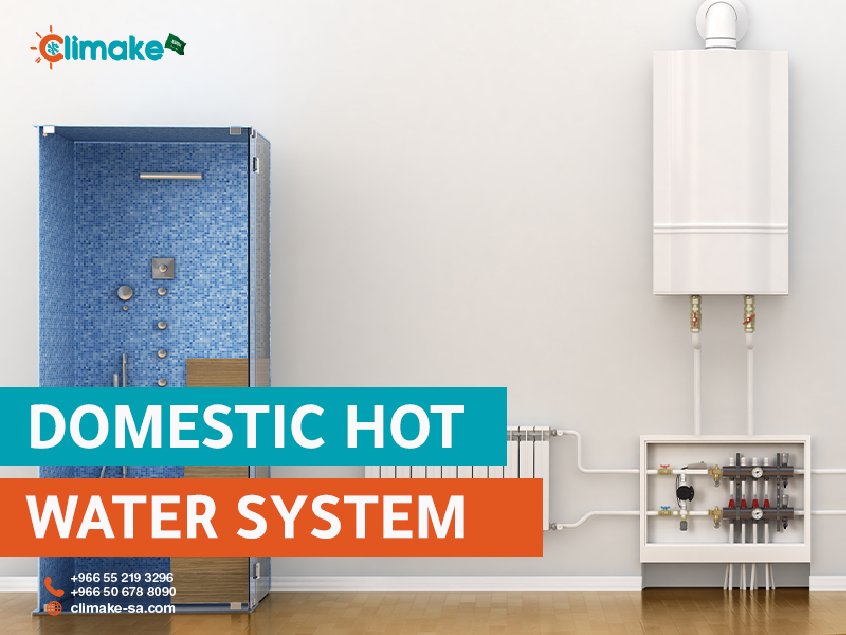
In today’s fast-paced world, comfort and efficiency are essential for a modern home. A boiler hot water system stands out as a premier solution, providing consistent warmth through a reliable network. Whether you are upgrading your setup or building a new villa, understanding how this central heating technology operates is key to long-term comfort
What Defines a Modern Hot Water System?
Essentially, it is a sophisticated network that distributes thermal energy by circulating water through a closed loop of pipes. Unlike forced-air systems, this central hot water system relies on radiators, baseboard heaters, or underfloor pipes to deliver consistent hot water heat across the entire property.
In a typical hot water heating system, the boiler heating water acts as the core component. The hot water boiler heating system warms water to a controlled temperature, then a pump distributes the hot boiler water throughout the house. Once the heat is released into the rooms, the cooled water returns to the boiler to be reheated, creating an energy-efficient continuous cycle.
Residential hot water heating systems are widely used because they provide stable indoor comfort, improved air quality, and long-term energy efficiency.
What is a boiler hot water system?
A boiler hot water system uses a boiler to heat water, which is then circulated through pipes to radiators or underfloor heating systems. This method provides even, reliable warmth across all rooms. Unlike forced-air systems, it doesn\’t blow dust or allergens, making it ideal for households with allergies.
How Does a Hot Water Boiler Work?
Boilers heat water using gas, electricity, or solar energy. The heated water or steam is then distributed through a closed-loop system:
- Water is heated in the boiler tank.
- The hot water flows through pipes to various parts of the home.
- Radiators or underfloor heating panels release the heat into rooms.
- Cooled water returns to the boiler to be reheated.
This cycle repeats, ensuring continuous warmth.
How to use a boiler for hot water safely and efficiently
Understanding how to use a boiler for hot water properly ensures optimal performance and safety. A home water boiler system should always operate within recommended pressure and temperature levels.
To use a water boiler heating system effectively:
-
Set the thermostat according to seasonal needs.
-
Monitor boiler pressure (usually between 1 and 2 bars for residential systems).
-
Schedule annual inspections.
-
Ensure radiators are properly bled to avoid air buildup.
-
Check expansion tank and circulation pump performance.
A properly maintained hot water system boiler delivers reliable heating and hot water while reducing energy waste. Whether your house is heated by hot water radiators or underfloor pipes, routine monitoring improves efficiency and extends equipment lifespan.
Key Components of a Boiler System
| Component | Function |
| Boiler Tank | Heats water |
| Circulator Pump | Moves water through the system |
| Expansion Tank | Manages water pressure |
| Radiators / Underfloor Panels | Distribute heat |
| Thermostat | Controls temperature |
Understanding these components helps in troubleshooting and maintenance.
Types of Residential Hot Water Boiler Systems by Technology
Hot water boiler systems are categorized not only by fuel type but also by heating technology.
-
Condensing Boiler
A high-efficiency water heating boiler system that reuses exhaust heat. Efficiency can reach 90–98%, making it ideal for hot water home heating systems focused on energy savings. -
Non-Condensing Boiler
Traditional hot water boilers\’ residential models operate at 80–85% efficiency. These are common in older houses heated by hot water. -
System Boiler
Designed for homes that require simultaneous heating and hot water. Often integrated into hot water and central heating systems. -
Combi Boiler
A compact hot water house heating system that provides heating and hot water on demand without a storage tank.
Choosing the right hot water boiler system depends on property size, insulation quality, and heating demand.
Boiler Hot Water vs. Traditional Heating Systems
| Feature | Boiler Hot Water | Traditional Forced Air |
| Heat Distribution | Even, radiant | Uneven, through vents |
| Air Quality | Better, no dust circulation | Can spread allergens |
| Efficiency | Higher | Lower |
| Noise | Quiet | Noisy blower fans |
Advantages of Using a Hot Water Boiler

- Consistent warmth throughout the house
- Cleaner air with no blowing dust
- Energy efficiency and lower utility bills
- Silent operation
- Zoned heating options for better control
Pros and Cons of Hot Water Boiler Systems
Advantages:
-
Even hot water heat distribution
-
Quiet operation
-
Better indoor air quality
-
Long equipment lifespan
-
High efficiency in modern hot water central heating systems
Disadvantages:
-
Higher installation cost compared to forced air
-
Slower heat response time
-
Requires professional installation and maintenance
-
Pipe retrofitting may be needed in older homes
Can It Be Installed in Any Home?
Yes, home hot water boiler systems can be installed in:
- New constructions
- Existing homes during renovations
- Apartments and villas
However, older homes might require additional plumbing adjustments.
Boiler Sizing for a House Heated by Hot Water
Selecting the correct boiler size is critical for any hot water house heating setup. An undersized unit struggles to maintain hot water, while an oversized boiler wastes energy.
Sizing depends on:
-
Total square footage
-
Insulation level
-
Climate zone
-
Number of bathrooms
-
Desired heating and hot water output
Most residential hot water heating systems require 30–50 BTUs per square foot, but professional heat load calculations are recommended. A properly sized boiler hot water heating system improves comfort and reduces operating costs.
Installation Process Step-by-Step
- Site Inspection – Assess heating needs
- System Design – Select boiler type and layout
- Pipe Installation – Lay out insulated piping
- Boiler Mounting – Fix the boiler in the utility area
- System Testing – Check for leaks and performance
Installation usually takes 3–5 days, depending on the home size.
Cost of Installing a Boiler Hot Water System
The cost of installing a hot water heating system varies depending on the type (electric or water-based), boiler size, and the complexity of installation. Additional expenses may include thermal insulation, thermostats, and smart home integration.
At Climake, we provide personalized consultations to help you choose the ideal system for your space and budget. Our expert team ensures a professional installation for efficient and long-lasting performance.

Request your free consultation today with Climake’s specialists!
Contact us now and let us guide you step by step to the perfect heating solution for your home or facility.
Factors That Affect Boiler Efficiency
- Type and age of the boiler
- Quality of insulation
- Frequency of maintenance
- Thermostat settings
An energy-efficient boiler can cut heating costs by up to 30%.
Energy-Saving Tips When Using Hot Water Boilers
- Lower the thermostat slightly
- Use programmable thermostats
- Schedule annual maintenance
- Bleed radiators to improve efficiency
Small changes lead to big savings over time.
Maintenance and Troubleshooting
Annual Tasks:
- Inspect the boiler and pipes for leaks
- Flush the system to remove debris
- Test pressure levels and valves
Common Issues:
- Uneven heating → check air in radiators
- Strange noises → possible pump or pressure issues
- No hot water → inspect pilot light or thermostat
Professional help is recommended for major repairs.
User Experiences and Testimonials
\”Best investment ever! Our home feels cozy all winter.\”
\”We added solar panels to support our water boiler, huge energy savings!\”
\”No more noisy heaters or dry air, just quiet, clean warmth.\”
Boiler Hot Water and Smart Home Integration
Modern boilers can connect to:
- Smart thermostats (e.g., Nest, Honeywell)
- Home automation systems
- Mobile apps for remote control
This allows you to adjust settings from anywhere and monitor energy usage in real time.
The Future of Efficient Home Heating
Investing in a boiler hot water system is a decision that brings comfort, efficiency, and long-term savings. Whether you\’re planning a new build or upgrading your current setup, this system offers unmatched performance, quiet operation, and eco-friendly warmth.
Want to explore options or request installation? Contact climake the best certified HVAC provider, today.
Frequently Asked Questions (FAQs)
-
What is a hot water heating system, and how does it work?
A hot water heating system circulates heated water through pipes to distribute warmth evenly throughout a home using radiators or underfloor heating.
-
Is a hot water boiler system better than forced air?
Yes, many homeowners prefer a hot water boiler system because it provides consistent heat, quieter operation, and improved air quality.
-
How long do residential hot water heating systems last?
Most hot water boilers in residential units last between 20 and 30 years with proper maintenance.
-
Can one boiler provide both heating and hot water?
Yes. Modern hot water and central heating systems can supply both space heating and domestic hot water.
-
What maintenance does a home water boiler system require?
Annual inspection, pressure checks, system flushing, and pump testing are essential.
-
How efficient are condensing hot water boiler systems?
High-efficiency models can reach up to 98% energy efficiency.
-
Is a house heated by hot water more energy efficient?
In many cases, yes. A properly designed hot water house heating system reduces heat loss and energy waste.
For more questions and inquiries, contact us at: