


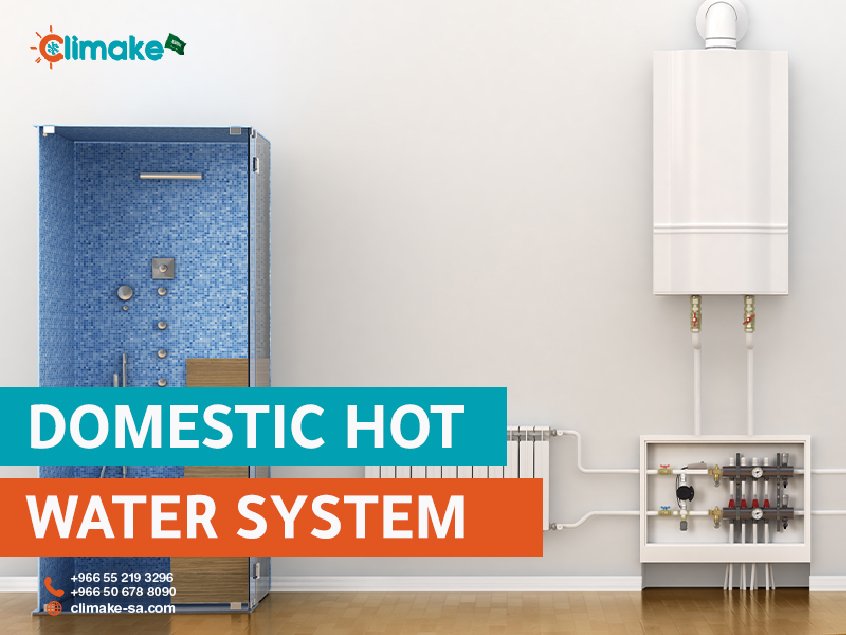
In the realm of modern luxury and high-end residential engineering in Saudi Arabia, a Boiler Hot Water System stands as the backbone of domestic comfort. As the Kingdom moves towards sustainable and smart building standards under Vision 2030, understanding the intricacies of a hot water boiler system has become essential for homeowners in Riyadh, Jeddah, and beyond. This comprehensive guide by Climake explores everything from technical operations to efficiency standards tailored for the Saudi climate.
How a Boiler Hot Water System Works
The fundamental principle behind a hot water boiler heating system is a regulated closed-loop cycle designed to ensure consistent warmth and water flow throughout a property. Unlike traditional single-point heaters, a boiler for heating water acts as a central hub for thermal energy.
The process begins when the boiler unit heats water using energy sources, most commonly electricity in the Saudi market, though gas and oil options exist for specialized projects. Once the water reaches the required temperature, a high-efficiency pump distributes it through a network of insulated pipes. This heated water then flows into radiators, underfloor heating coils, or domestic taps to provide immediate warmth. After releasing its heat, the cooled water returns to the boiler to be reheated, ensuring a continuous and stable supply without the fluctuations often seen in smaller units.
Types of Boiler Systems for Modern Residential Needs
Selecting the right hot water boilers depends heavily on your property’s layout and peak water demand. There are three primary configurations available for Saudi homes:
1. Combi Boilers (Combination)
A combi boiler serves as a dual-purpose boiler system, a hot water heater. It heats water directly from the mains as soon as you turn on a tap, eliminating the need for bulky storage tanks. This makes it an ideal choice for apartments or smaller villas where space-saving is a priority.
2. System Boilers
Most high-end villas in Saudi Arabia utilize a system boiler, which requires a dedicated cylinder to store hot water. This boiler and hot water tank system is specifically designed for properties with high simultaneous water usage, such as families using multiple bathrooms at the same time.
3. Conventional Boilers (Regular)
Often referred to as traditional systems, these use both a cold water tank and a hot water cylinder. This hot water heater boiler system is typically recommended when upgrading older infrastructure in established neighborhoods.
Key Components and How They Function
To maximize the lifespan of a water boiler heater system, it is vital to understand the roles of its core components:
- Boiler Unit: The primary heat exchanger that converts fuel into thermal energy.
- Circulation Pump: The mechanical heart that ensures water reaches every floor and corner of the villa.
- Expansion Tank: A safety component that manages pressure changes as water expands during heating.
- Smart Thermostat: The brain of the hot water central heating system, regulating activation to save energy.
- Zone Valves: These allow for independent temperature control in different areas, such as separating bedrooms from living halls.
Advantages of Boiler Hot Water Systems in the Saudi Market
Why is investing in a hot water boiler for the home superior to traditional air-based heating or individual heaters?
- Radiant Heat Consistency: Unlike AC units that push dry air, a hot water boiler heater provides radiant warmth that eliminates cold spots.
- Superior Air Quality: Because boilers do not rely on fans, they do not circulate dust or allergens—a critical benefit for the dusty environments of Riyadh and the Eastern Province.
- Silent Operation: These systems operate with minimal noise, ensuring a peaceful indoor environment.
- Long-Term Durability: High-quality boilers, when maintained by experts like Climake, can last up to 20 years.
Choosing the Right Boiler for Your Needs
When selecting a hot water heater boiler, several factors must be assessed to ensure the system is not underpowered or inefficiently oversized:
- Property Size: Larger villas with multiple floors require higher-capacity systems or conventional boilers.
- Water Usage Patterns: High-demand households with luxury spa features or large bathtubs need larger cylinders or high-flow combi units.
- Fuel Availability: While electricity is the standard in Saudi Arabia, specific industrial or large-scale residential projects may opt for different fuel types depending on infrastructure.
- Integration Requirements: Consider if you need the boiler also to provide hot water, heat boiler support for swimming pool heating or underfloor systems.
Energy Efficiency and Eco-Friendly Features
Modern boiler hot water heater technology in 2026 focuses heavily on reducing carbon footprints and utility costs:
- Condensing Technology: Captures heat from exhaust gases that would otherwise be wasted, significantly boosting efficiency.
- Weather Compensation: Sensors adjust the boiler’s output based on external temperatures in cities like Abha or Tabuk, preventing energy waste during mild weather.
- Zoning Systems: These allow you to heat only the rooms currently in use, a key feature for saving energy in large villas.
- Smart Integration: Modern units can be linked to mobile apps for remote monitoring and scheduling.
Cost Breakdown and Installation Considerations
Installing a Boiler Hot Water System is a strategic investment in property value. The costs are generally divided into three categories:
1. The Boiler Unit Cost
The price varies based on the unit’s capacity (measured in kW) and its technology (e.g., standard vs. condensing). European-manufactured units provided by Climake often represent the best balance of initial cost and long-term reliability.
2. Labor and Infrastructure
Installation complexity depends on whether the home has existing pipework or if a complete new network for hot water central heating is being established.
3. Advanced Features
Optional additions like smart thermostats, anti-freeze protection for colder regions, and remote control apps will affect the upfront investment but improve the overall ROI through energy savings.
Maintenance Tips for Long-Term Performance
To ensure your boiler hot water system remains efficient for decades, Climake recommends a structured maintenance schedule:
- Monthly Checks: Homeowners should monitor the pressure gauge (ideally between 1 and 2 bars) and check for any visible leaks in pipework.
- Annual Servicing: A professional technician should perform a full service once a year. This includes descaling the system to prevent mineral buildup from the local water supply and flushing out sludge from radiators.
- Bleeding Radiators: If your radiators are cold at the top, it may be time to bleed them to remove trapped air.
Comparing Boilers to Other Heating Systems
In the Saudi market, homeowners often weigh boilers against other thermal solutions:
- Boilers vs. Heat Pumps: While heat pumps are exceptionally efficient for cooling and moderate heating, boilers provide faster recovery times for domestic hot water and are often more cost-effective for specific retrofit projects.
- Boilers vs. Electric Spot Heaters: Boilers provide uniform, radiant heat across the entire home, whereas spot heaters are inefficient for large spaces and lack the longevity of a central system.
Latest Innovations in Boiler Technology (2026)
The industry is rapidly evolving with “Future-Proof” technologies:
- Hydrogen-Ready Boilers: Units designed to operate with lower carbon emissions as global energy markets shift.
- AI-Enabled Controls: Systems that learn your household’s schedule to pre-heat water exactly when you need it.
- Self-Diagnostic Systems: The unit can detect a potential component failure and notify you or the Climake support team before the system breaks down.
- Solar Thermal Integration: Using the abundant Saudi sun to pre-heat water before it enters the boiler, drastically reducing electricity consumption.
Government Regulations and Safety Standards in KSA
Safety is paramount in residential engineering. Climake ensures all installations comply with:
- Saudi Building Code (SBC): Meeting local engineering and safety requirements.
- Ventilation Standards: Ensuring proper airflow to prevent carbon monoxide buildup.
- Pressure Safety: Every system is fitted with expansion tanks and relief valves to manage high-pressure scenarios.
Common Challenges & Troubleshooting Tips
If your hot water heater boiler system is underperforming, consider these common causes:
- No Hot Water: Often caused by a thermostat issue or a tripped circuit breaker. Check your digital controls first.
- Low System Pressure: Usually indicates that the system needs to be refilled or that there is a minor leak in the pipework.
- Strange Noises: Often a sign of air in the system or scale buildup due to hard water, which requires descaling by a professional.
FAQ About Boiler Hot Water System
How does a system boiler heat water?
It heats the water within the boiler unit and then diverts it to a storage cylinder, where it is kept hot and ready for use across multiple outlets simultaneously.
How much does a hot water heater cost?
The cost is variable based on the system's size and complexity. While central systems have a higher upfront cost than small individual heaters, they provide significantly better comfort and lower energy waste over time.
How long does a boiler hot water system last?
With a regular annual service from a qualified technician, most modern boilers will last between 15 and 20 years.
Can a boiler heat both water and the home?
Yes, this is the primary function of Combi and System boilers. They are engineered to provide both domestic hot water and central heating (such as underfloor heating or radiators) from a single unit.
What size boiler do I need for my home?
The capacity (kW) depends on the number of bathrooms and the total square footage of the property. A professional heat loss calculation is the only way to ensure perfect sizing.
Are boiler systems eco-friendly?
Modern units, especially those using condensing technology or solar integration, meet strict efficiency standards and help reduce overall household energy consumption.
How often should I service my boiler?
Climake recommends an annual service to ensure the safety of the unit and to maintain its energy efficiency ratings.
What is the difference between a boiler and a water heater?
A water heater typically only provides hot water for taps. A boiler is a more robust central system that provides water for both domestic use and space heating.
Is underfloor heating more efficient with a boiler?
Yes, boilers are excellent for providing the consistent, low-temperature water flow required for high-efficiency underfloor heating systems.
Can I control my boiler while traveling outside Saudi Arabia?
Yes, most modern boilers installed by Climake feature smart app integration, allowing you to monitor and control your home's temperature from anywhere in the world.
Smarter Heating Starts Here
Choosing a Boiler Hot Water System is more than just a technical decision; it is an investment in the long-term luxury and health of your home. With the extreme climate variations in Saudi Arabia, having a reliable central system ensures that your family enjoys a stable, comfortable environment regardless of the season.
At Climake, we specialize in designing and installing high-performance thermal solutions that stand the test of time. From the initial engineering consultation to final commissioning and annual maintenance, our team ensures that your heating system operates at peak efficiency. Whether you are building a new luxury villa or renovating a family home, we provide the expertise needed to bring world-class heating technology to your doorstep.
Invest in comfort. Invest in efficiency. Choose Climake.
Contact Climake Experts Today:
-
- Phone:966567863898
- WhatsApp:966508656011