

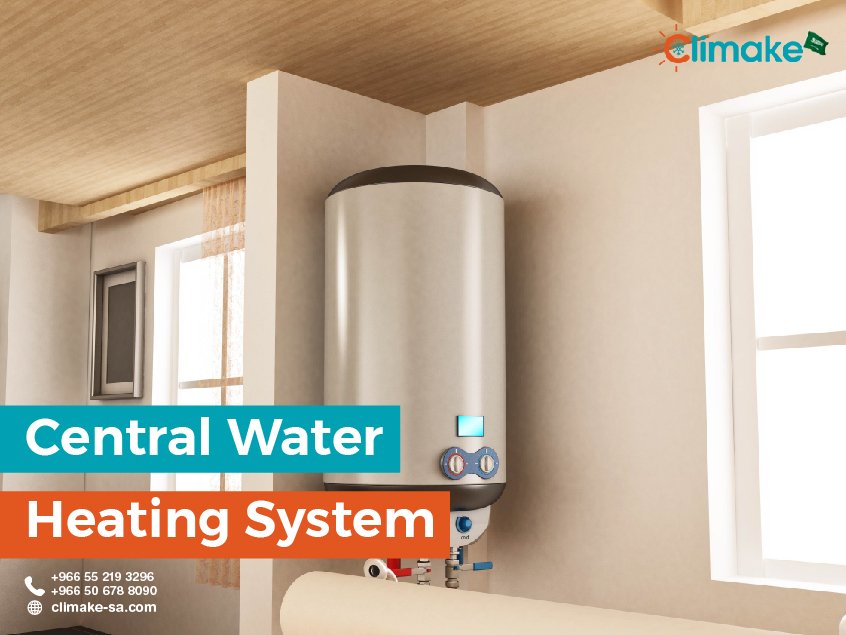
A centralized water heating system is becoming the top choice for homeowners and commercial buildings looking for efficiency, reliability, and long-term savings. As technology advances and energy costs rise, many property owners are switching from traditional water heaters to fully centralized solutions. This detailed guide walks you through everything you need to know—how the system works, its benefits, maintenance needs, troubleshooting tips, and more.
What Is a Centralized Water Heating System?
A centralized water heating system is a single integrated system that heats water in one main unit and distributes it across a home or building through insulated pipes. Unlike traditional heaters installed individually in different rooms, this system delivers hot water seamlessly and efficiently.
Core Components
- Main heating unit (gas, electric, solar, or hybrid)
- Storage tank
- Insulated hot-water pipes
- Thermostat and temperature controls
- Safety valves and pumps
How It Differs from Traditional Water Heaters
- One system instead of multiple scattered heaters
- Higher efficiency and lower long-term costs
- Better control through smart thermostats
- Greater safety and fewer maintenance points
Benefits of Centralized Water Heating Systems
1. Energy Efficiency
Centralized systems operate with less heat loss and more uniform temperature distribution.
2. Cost Savings
While installation may cost more upfront, centralized systems reduce monthly bills significantly.
3. Safety and Durability
More durable components and better engineering reduce risk of overheating, electrical faults, and leakages.
4. Consistent Hot Water Supply
Large storage capacity ensures hot water for multiple taps simultaneously.
Looking to find the right centralized water heating system for your home?
Climake’s experts can help you compare options and choose the most efficient solution for your budget and energy needs.
Contact Climake today +966508656011 for professional guidance and tailored recommendations.
Types of Centralized Water Heating Systems
Electric Central Systems
Safe, clean, and require less maintenance—ideal for households.
Hybrid Systems
Combine electric and heat pumps, offering top-tier efficiency and advanced control.
How a Centralized Water Heating System Works
Heat Generation
The heating unit warms water using gas burners, heating coils, or solar collectors.
Heat Storage
The heated water is stored in an insulated tank that retains temperature for long periods.
Water Distribution
A pump circulates water through insulated pipes to all outlets.
Smart Controls
Modern systems include thermostats, sensors, and mobile app integration.
Installation Requirements and Best Practices
Home Size & Layout
Larger homes require bigger tanks and powerful pumps.
Ventilation Needs
Gas systems need proper ventilation to prevent CO2 buildup.
Professional Installation Recommended
DIY installation is not advisable due to safety and technical complexity.
Maintenance Guide
Routine Inspections
Check electrical connections, pressure valves, and thermostats.
Cleaning
Descale the tank every 6–12 months, especially in areas with hard water.
Repairs
Address leaks, faulty thermostats, or pump issues immediately to prevent system failure.
Common Problems & Their Solutions
Low Pressure
Usually caused by sediment buildup or faulty valves.
Irregular Temperature
May indicate thermostat issues or heating element failure.
Leaks
Often due to corrosion or loose pipe connections.
Cost Breakdown
Installation Cost
Ranges from $1,500–$7,000 depending on system type and size.
Monthly Operating Cost
Solar systems nearly eliminate heating bills, while gas systems remain cost-effective.
Maintenance Cost
Annual maintenance costs $80–$250 on average.
Choosing the Best System for Your Home
Climate
Solar works best in sunny regions; gas is reliable anywhere.
Energy Source
Your availability (gas, electricity, sunlight) determines the best choice.
Budget
Hybrid systems offer high efficiency but have a higher upfront cost.
Environmental Impact
Reduced Carbon Emissions
Solar and hybrid units reduce CO₂ production significantly.
Renewable Compatibility
Solar systems integrate well with green energy infrastructure.
Less Energy Waste
Better insulation and technology reduce total energy use.
A centralized water heating system is one of the smartest investments homeowners can make in 2025. The system delivers superior efficiency, long-term savings, reliable performance, and eco-friendly benefits. Whether you’re building a new property or upgrading an existing one, centralized water heating offers unmatched comfort and value.
FAQs about centralized water heating system
1. How long does a centralized water heating system last?
Most systems last 12–20 years with proper maintenance.
2. Does it work during power outages?
Gas and solar systems can operate, but electric systems may stop unless you have backup power.
3. Is a centralized system suitable for small apartments?
Yes—compact versions are designed for smaller properties.
4. What is the best type for families?
Electric and hybrid systems are popular for family homes due to safety and efficiency.
5. How often should I service the system?
A full inspection once a year is recommended.
6. Can I install a centralized system in an old home?
Yes, but it may require extra piping and structural adjustments.
Transform your home’s comfort with a modern centralized water heating system.
Reach out to Climake today our team is ready to support you with premium installation, expert guidance, and exceptional service from start to finish.