

Electric central heating continues to grow in popularity, especially in modern homes aiming for clean, efficient, and safe heating. But before investing in a system, one question always comes first:
“What is the real cost of electric central heating?”
This guide breaks it all down: installation, running costs, savings, upgrades, comparisons, and energy-smart strategies. Let’s dive deep into the numbers, system types, and the smartest ways to keep your home warm without wasting money.
Understanding Electric Central Heating Systems
Electric central heating is built for homeowners who want simplicity, safety, and efficiency without relying on gas or oil. Unlike traditional systems, these setups use electricity as the main power source to heat water or radiators throughout the home.
The cost of electric central heating often depends on the system type, electricity rates, and the efficiency level of each component. Understanding how the system works is essential before evaluating its cost.
How Electric Central Heating Works
Electric central heating systems operate by converting electrical energy directly into heat. Typically, the system uses electric boilers or electric radiators to distribute warmth evenly across rooms.
Here’s how the process works:
- Electric boiler heats water
- Hot water travels through pipes to radiators
- Radiators distribute consistent heat across rooms
- A thermostat monitors and regulates temperature
- Energy usage varies with insulation, thermostat settings & weather
Because these systems don’t require combustion, ventilation, or fuel storage, they are often simpler and cheaper to maintain.
Types of Electric Central Heating Systems
Not all electric systems are the same. The cost and efficiency depend heavily on the type you choose:
1. Electric Boilers
- Replace gas boilers directly
- Heat water for radiators and taps
- Best for small to medium homes
2. Electric Radiators
- Individually controlled
- Great for zoned heating
- No pipework required
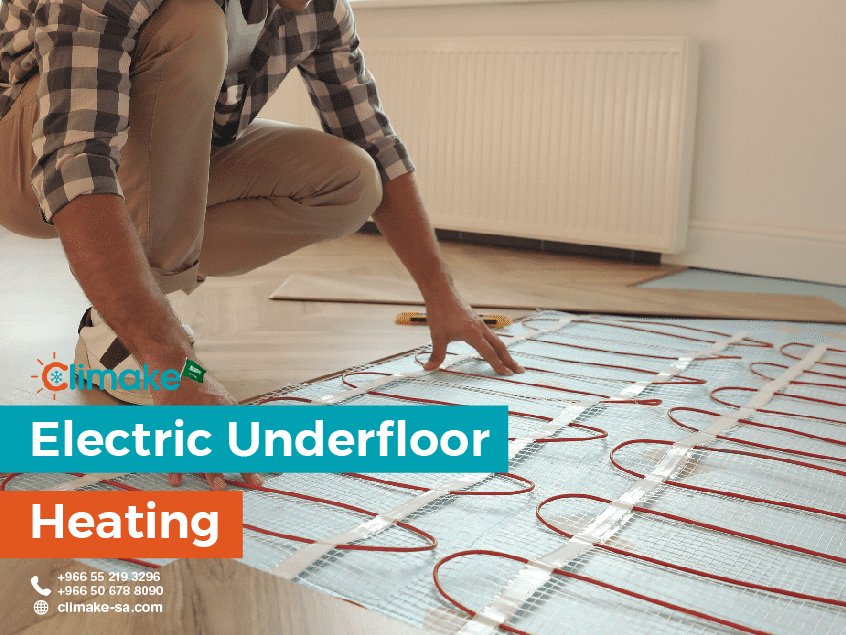
3. Electric Underfloor Heating
- Even heat distribution
- Higher installation cost
- More energy-efficient
4. Storage Heaters
- Charge during off-peak hours
- Release heat slowly
- Lowest running cost option
Each system comes with different upfront and operational costs, which we cover next.
The Real Cost of Electric Central Heating in 2025
When homeowners search for the cost of electric central heating, they usually refer to three components:
- Installation Costs
- Running Costs
- Long-Term Maintenance
Below is the full breakdown.
Installation Costs
Average 2025 installation prices:
| System Type | Cost Range |
| Electric boiler + radiators | $5,000 – $9,000 |
| Electric radiators only | $2,500 – $6,000 |
| Electric underfloor heating | $6,000 – $12,000 |
| Storage heaters | $3,000 – $7,000 |
Factors increasing installation cost include:
- Large home size
- High-quality thermostats
- Underfloor installation complexity
- Premium energy-efficient radiators
- Smart-home integration
Operating & Monthly Running Costs
This is where the cost of electric central heating becomes a major concern.
Estimated Monthly Cost (Medium Home):
- Electric boiler system: $180 – $350/month
- Radiators: $120 – $250/month
- Underfloor heating: $160 – $300/month
- Storage heaters: $90 – $200/month
Running cost depends on:
- Local electricity rates
- Thermostat settings
- Weather conditions
- Home insulation
- Daily usage duration
Maintenance & Long-Term Expenses
Electric systems win here — they’re low-maintenance.
Typical annual maintenance cost:
- Electric boiler service: $120 – $200
- Radiator servicing: Minimal
- Underfloor: Nearly maintenance-free
- Storage heaters: Occasional element replacement
Over 10 years, maintenance for gas systems can reach triple the cost.
Factors That Influence Electric Central Heating Costs
Many homeowners think the system alone determines the cost. The truth is, the environment around the system matters just as much.
Home Size & Insulation Quality
- Larger homes need more radiators → higher costs
- Poor insulation means heat escapes quickly → higher bills
- Older windows leak heat → temperature drops faster
A well-insulated home can cut bills by 20–35%.
Energy Tariffs & Electricity Rates
Electricity cost per kWh varies between:
- Standard tariff: High
- Off-peak tariff: Up to 60% cheaper
- Smart meter optimized tariffs: Best value
Switching tariffs alone can save hundreds per year.
Equipment Efficiency Ratings
Look for:
- High EPC rating
- Smart controls
- Eco-mode radiators
- Low thermal loss
Investing in efficient equipment reduces long-term operational cost significantly.
If you’re unsure which electric heating system suits your home size and electricity usage, Climake’s heating experts can help you compare options and choose the most cost-efficient setup 966508656011.
Comparing Electric Central Heating vs Other Heating Methods
Let’s compare total cost, efficiency, and convenience.
Electric vs Gas Heating
| Feature | Electric | Gas |
| Installation cost | Lower | Higher |
| Running cost | Higher | Lower |
| Maintenance | Minimal | Frequent |
| Safety | No risk | Gas leaks |
| Eco impact | Cleaner | Higher emissions |
Electric is safer; gas is cheaper to run.
Electric vs Heat Pumps
Heat pumps are extremely efficient but expensive upfront.
- Heat pump installation: $10,000 – $18,000
- Running cost: 50–60% cheaper
Best for long-term savings but not affordable for every household.
Electric vs Oil Heating
Oil heating:
- High maintenance
- Fuel storage required
- Prices unstable
Electric wins on convenience and safety.
How to Reduce the Cost of Electric Central Heating
You can dramatically lower running costs with simple upgrades and smart habits.
Smart Thermostat Optimization
A smart thermostat can reduce bill costs by 15–25%.
Tips:
- Program daytime vs nighttime schedules
- Use occupancy sensors
- Track energy use
- Set eco-mode
Improving Home Insulation
Upgrading insulation saves more money than upgrading heating equipment.
- Double glazing
- Loft insulation
- Wall cavity insulation
- Door seal upgrades
Off-Peak Electricity Strategies
Use:
- Storage heaters
- Smart tariffs
- Timers on boilers
This alone can reduce the cost of electric central heating by up to 30%.
Is Electric Central Heating Worth It in 2025?
The answer depends on your priorities.
Benefits
- Safe & clean
- Low maintenance
- Easy installation
- Works well with solar systems
Drawbacks
- Higher running cost in some regions
- Sensitive to electricity price increases
Best Use Cases
Electric central heating is ideal for:
- Apartments
- Smaller homes
- Eco-friendly upgrades
- Homes without gas lines
- Smart home setups
The cost of electric central heating depends heavily on system type, electricity rates, insulation, and smart usage. While installation cost is reasonable, running cost can be high but only if the home is poorly optimized.
For homeowners focused on safety, low maintenance, and eco-friendly heating, electric systems remain an excellent choice for 2025 and beyond.
Additional Considerations for Saudi Homes
Homes in Saudi Arabia have unique heating needs compared to colder countries. While winter is shorter, evenings especially in Riyadh, Abha, Tabuk, and Hail can get unexpectedly cold. Electric central heating is becoming a preferred option because:
- It offers fast, consistent warmth
- No fuel storage is required
- Homes without gas lines can install it easily
- It integrates perfectly with smart-home systems
- It works efficiently for villas, apartments, and modern compounds
If your home is well-insulated, the cost of electric central heating becomes noticeably lower throughout the winter season.
Electric central heating is becoming a smart, modern solution for Saudi homeowners who want clean, quiet, and efficient heating. While running costs depend on electricity rates and insulation, the system offers excellent control, low maintenance, and stable performance across Saudi winters.
With the right setup especially when paired with smart thermostats and efficient radiators, you can enjoy warm, comfortable winter nights while keeping monthly bills manageable.
Whether you’re upgrading an existing home or designing a new villa, electric central heating remains one of the safest and most flexible heating options available today.
FAQs (Before Conclusion)
1. What is the average cost of electric central heating in 2025?
Between $5,000–$9,000 depending on home size and system type.
2. Is electric central heating expensive to run?
Yes, running cost is higher than gas — but can be reduced with insulation and smart tariffs.
3. How long does an electric boiler last?
Around 15–20 years with minimal maintenance.
4. Is electric central heating more eco-friendly than gas?
Yes it produces zero on-site emissions.
5. Can I reduce electric heating costs by switching tariff?
Absolutely. Off-peak tariffs can reduce bills by 30–60%.
6. What’s the cheapest electric heating system?
Storage heaters, especially when combined with off-peak electricity.
7. Is electric central heating suitable for Saudi villa layouts?
Yes. Villas generally have good insulation and are divided into zones. Electric systems work perfectly with this structure, especially when paired with smart thermostats.
8. Can electric central heating work with solar panels in Saudi Arabia?
Absolutely. Because Saudi Arabia has abundant sunlight, solar systems can reduce the running cost significantly.
9. Do electric radiators handle Saudi winter temperatures well?
Yes modern radiators provide stable heating even when temperatures drop to 5–10°C in some regions.
10. What’s the most economical heating approach for Saudi homes?
For many households, a mix of electric radiators + smart thermostats provides the best balance of comfort and cost control.
Looking to install an electric heating system with reliable support inside Saudi Arabia?
Climake offers professional installation, smart-control setup, and customized heating plans designed for Saudi homes
.