


An electric heating system for house use is becoming one of the most reliable and efficient solutions for modern homeowners looking for clean, controllable, and future-ready heating. Whether you live in a cold climate or want a flexible heating option without gas dependency, electric heating offers unmatched versatility.
This guide explains everything you need to know from system types and costs to efficiency, installation, and FAQs buyers actually ask.
What Is Home Electric Heating?
Home electric heating refers to any system that converts electrical energy into heat to warm indoor spaces. Unlike gas-based systems, electric heating does not rely on combustion, making it safer, cleaner, and easier to maintain.
Electric heating can be:
- Centralized
- Room-based
- Underfloor
- Hybrid with renewable energy
Types of Electric Heating Systems for Houses
1. Electric Central Heating
Electric central heating distributes heat throughout the home using:
- Electric boilers
- Radiators
- Underfloor heating systems
✔ Ideal for whole-house heating
✔ Perfect replacement for gas systems
✔ Compatible with solar energy
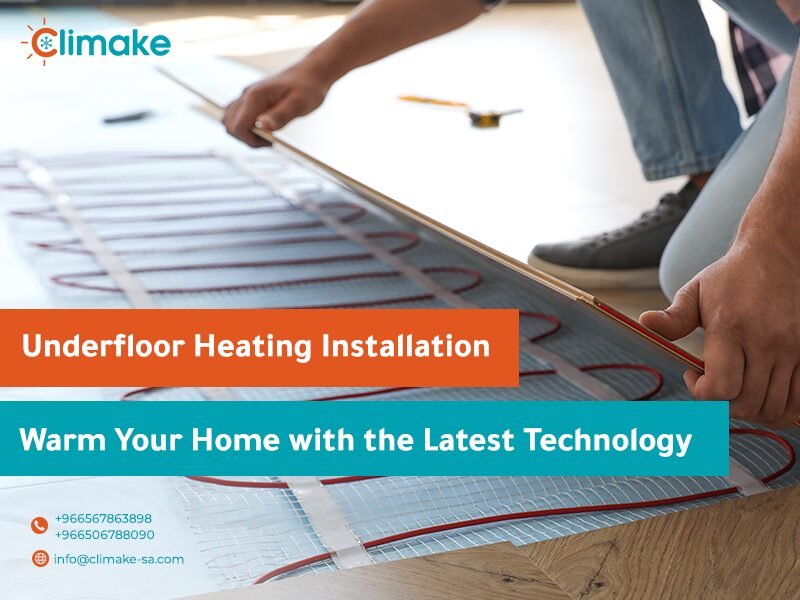
2. Electric Underfloor Heating
- Even heat distribution
- Invisible system
- Ideal for bathrooms, living rooms, and bedrooms
3. Electric Radiators
- Fast heating
- Individual room control
- Modern smart designs available
4. Heat Pumps (Electric Powered)
- Extremely energy-efficient
- Works for heating and cooling
- Higher upfront cost, lower running cost
Electric Heating System for House: Cost Breakdown
| System Type | Installation Cost | Running Cost | Best For |
| Electric Central Heating | Medium | Medium | Full home |
| Underfloor Heating | Medium–High | Low | Comfort heating |
| Electric Radiators | Low | Medium | Room-by-room |
| Heat Pumps | High | Very Low | Long-term savings |
Is Electric Central Heating Efficient?
Yes electric central heating systems are:
- 100% efficient at point of use
- Easier to control than gas systems
- Ideal with smart thermostats
Efficiency increases dramatically when paired with:
- Solar panels
- Smart zoning
- Insulated homes
Advantages of Home Electric Heating
- No gas supply required
- Lower maintenance
- Zero on-site emissions
- Silent operation
- Smart home compatibility
- Future-proof against fossil fuel bans
Electric Heating vs Gas Heating
| Feature | Electric Heating | Gas Heating |
| Safety | Very High | Medium |
| Maintenance | Low | High |
| Installation | Easy | Complex |
| Environmental Impact | Low | High |
| Smart Control | Excellent | Limited |
Is Electric Heating Right for Your Home?
Choose electric heating system for house installation if:
- You want energy independence
- Your home is well insulated
- You plan to use solar power
- You want precise temperature control
Future of Electric Heating Systems
With rising energy regulations and smart home technology, home electric heating is becoming the standard solution worldwide.
Governments, developers, and homeowners are shifting toward electric systems for:
- Sustainability
- Cost predictability
- Energy efficiency
FAQ
Is electric heating expensive to run?
Electric heating costs depend on insulation, system type, and energy tariffs. Modern systems paired with smart controls can significantly reduce bills.
Can electric heating replace gas central heating?
Yes. Electric central heating is one of the best gas alternatives, especially in areas without gas access.
Is home electric heating safe?
Absolutely. No combustion, no carbon monoxide, and no open flames.
Which electric heating system is best for a house?
For full-home heating, electric central heating or heat pumps are ideal. For comfort zones, underfloor heating works best.
Does electric heating increase home value?
Yes. Energy-efficient electric systems increase property appeal and resale value.
Can electric heating work with solar panels?
Yes. Electric heating is one of the best systems to pair with renewable energy sources.
Need expert advice?
Contact Climake now via WhatsApp 966508656011 or call us directly to find the ideal electric heating system for your home +966 56 786 3898 / +966 50 865 6011 .