


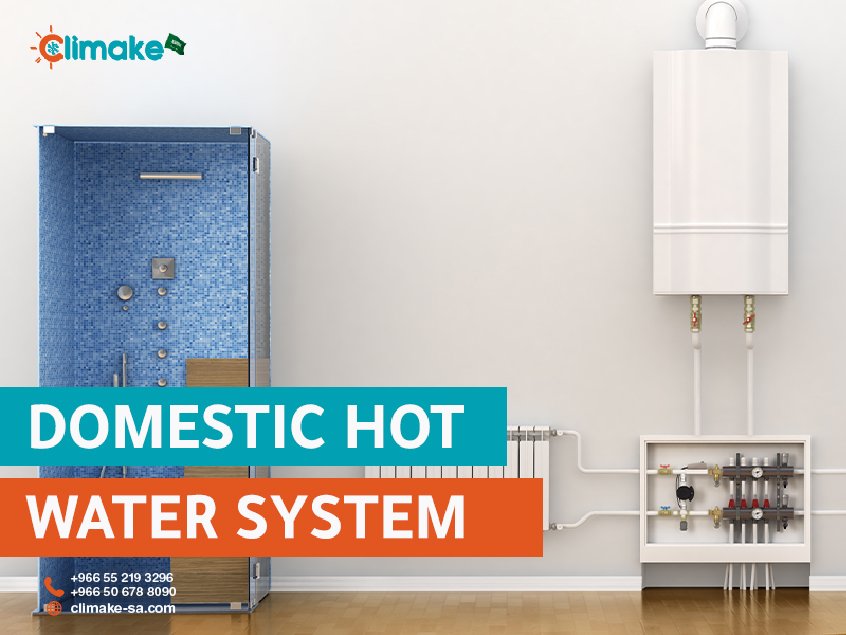
A reliable domestic hot water supply system is no longer a luxury; it’s a basic requirement for comfort, hygiene, and efficiency in modern buildings. From residential villas to commercial facilities across Saudi Arabia, hot water plays a vital role in daily operations, health standards, and overall quality of life.
As energy efficiency becomes a growing priority and building standards continue to evolve, choosing the right domestic hot water supply system can significantly impact operating costs, sustainability, and long-term performance. In this guide, we’ll break down everything you need to know clearly, practically, and without unnecessary complexity.
What Is a Domestic Hot Water Supply System?
A domestic hot water supply system is a system designed to heat, store, and distribute hot water for everyday use. This includes bathing, cleaning, cooking, and sanitation purposes.
Definition and Core Components
Most systems include:
-
A water heating source (boiler, heat pump, or solar collector)
-
Storage tanks (if applicable)
-
Distribution piping
-
Control and safety devices
Each component works together to ensure hot water is delivered at the right temperature at the right time.
Why Domestic Hot Water Matters in Daily Life
Hot water supports hygiene, comfort, and operational efficiency. In commercial settings such as hotels, hospitals, and offices, an unreliable system can disrupt daily operations and reduce user satisfaction.
Types of Domestic Hot Water Supply Systems
There is no single solution that fits all applications. A professional assessment helps determine the most suitable domestic hot water supply system based on usage, building size, and energy goals.
Centralized Hot Water Systems
Centralized systems heat water at one central location and distribute it throughout the building. They are ideal for large villas, compounds, and commercial facilities due to their efficiency at scale.
Decentralized (Point-of-Use) Systems
These systems heat water near the point of consumption. They reduce heat loss and are suitable for small apartments or specific applications where hot water demand is limited.
Solar Domestic Hot Water Systems
Solar systems use renewable energy to heat water, making them highly efficient and environmentally friendly. In Saudi Arabia, abundant sunlight makes this option especially attractive.
For more details on energy-efficient water heating, refer to the U.S. Department of Energy .
Heat Pump Water Heating Systems
Heat pumps extract heat from the surrounding air and transfer it to the water. They consume significantly less electricity and are ideal for projects focused on long-term energy savings.
How a Domestic Hot Water Supply System Works
Understanding how the system operates helps property owners make better decisions and avoid common design mistakes.
Water Heating Process Explained
Cold water enters the system and is heated using the selected energy source. Once heated, it’s either stored in an insulated tank or delivered directly to fixtures depending on system design.
Distribution and Storage Methods
Proper pipe insulation, pressure balancing, and temperature controls are essential to prevent heat loss and ensure consistent water delivery.
Importance of Proper System Design in Saudi Arabia
Local conditions play a major role in system performance.
Climate Considerations
High ambient temperatures can reduce heating demand but increase storage and insulation requirements. A well-designed domestic hot water supply system accounts for these factors.
Energy Efficiency Regulations
Saudi Arabia continues to emphasize energy efficiency in building systems. Proper design ensures compliance while reducing operational costs.
Choosing the Right Domestic Hot Water Supply System
Selecting the right system isn’t about choosing the most expensive option it’s about choosing the most suitable one.
Residential vs Commercial Needs
Residential systems focus on comfort and consistency, while commercial systems prioritize capacity, reliability, and redundancy.
Capacity Sizing and Demand Calculations
Oversized systems waste energy, while undersized systems lead to shortages. Accurate demand calculations are essential for long-term efficiency.
Not sure which system is right for your project? A quick expert review can help you make a confident decision 966508656011.
Installation Best Practices
Even the best system can underperform if installed incorrectly.
Professional Installation vs DIY
Professional installation ensures:
-
Compliance with safety standards
-
Correct system sizing
-
Optimal performance from day one
Experienced providers like Climake rely on expert engineers to deliver systems tailored to the Saudi market requirements.

Maintenance and Performance Optimization
Routine maintenance extends system life and maintains efficiency.
Common Issues and How to Avoid Them
Common problems include scale buildup, pressure imbalance, and control failures. Regular inspections and professional servicing prevent costly breakdowns.
Invest in the Right Domestic Hot Water Supply System
A well-designed domestic hot water supply system is a long-term investment in comfort, efficiency, and reliability. By choosing the right technology and working with experienced professionals, you ensure consistent performance and lower energy costs for years to come.
If you’re planning a new project or upgrading an existing system, expert guidance makes all the difference.
Frequently Asked Questions (FAQs)
1. What is the purpose of a domestic hot water supply system?
It provides heated water for daily domestic and commercial use efficiently and safely.
2. Which system is best for Saudi Arabia?
Solar and heat pump systems are highly effective due to climate conditions and energy efficiency goals.
3. How long does installation take?
Installation time varies by system size and complexity, typically ranging from a few days to several weeks.
4. Is maintenance required regularly?
Yes, regular maintenance ensures safety, efficiency, and long system lifespan.
5. Can one system serve multiple buildings?
Yes, centralized systems can be designed to serve compounds or multiple facilities.
6. Does system design affect energy costs?
Absolutely. Proper design significantly reduces energy consumption and operating expenses.
Looking to install or upgrade a domestic hot water supply system? A professional assessment can help you choose the most efficient and reliable solution for your project
.