


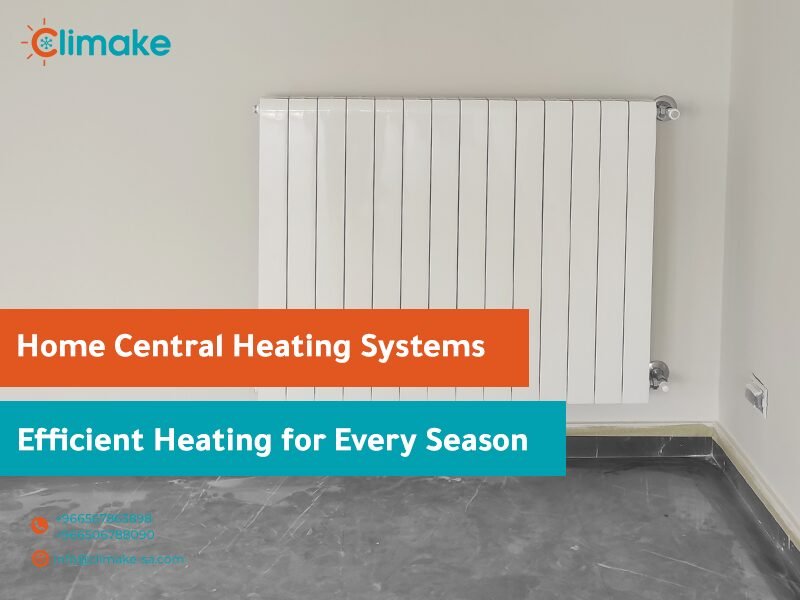
Choosing the right heat system in house isn’t just about staying warm during colder months it’s about comfort, energy efficiency, cost savings, and long-term reliability. For homeowners in Saudi Arabia, where climate conditions vary from region to region, the heating system must be both efficient and adaptable. Many people assume that heating isn’t a major concern in Saudi homes, but winters in areas like Riyadh, Abha, and Hail can drop surprisingly low.
A proper heat system in house enhances indoor comfort, helps stabilize temperature, and improves the home’s overall energy performance. And because modern heating technologies have evolved so much, homeowners today have access to systems that are quieter, cleaner, and more economical than ever before.
This guide breaks down everything you need to know, from system types to installation, costs, comparisons, and expert insights directly relevant to the Saudi market and aligned with Climake’s professional heating solutions.
Why choosing the right heat system in house matters
Selecting the right heating system isn’t a small decision. It affects:
- Monthly electricity consumption
- Long-term costs
- Comfort levels in every room
- Home insulation performance
- Indoor air quality
- Future maintenance requirements
Many homeowners choose a system without fully understanding their home layout or climate zone and that leads to inefficient heating, wasted energy, and higher bills.
A well-chosen heat system ensures:
- A balanced temperature across all rooms
- Lower energy consumption
- Quieter operation
- Longer system lifespan
- Better control through smart thermostats
As Climake’s experience shows, the best system is the one that matches your home’s design, your budget, and your long-term comfort needs.

Types of heat systems for homes
Modern homes now have a wide range of heating solutions. Below are the seven most efficient types used today, especially in the Gulf region.
Central Heating Systems
Central heating is one of the most popular and reliable heating solutions worldwide. It typically uses a boiler to heat water, which is then pumped through pipes to radiators or underfloor heating systems.
Why it works well in Saudi homes:
Because central systems provide stable, consistent warmth without blowing hot air, they are perfect for villas, duplexes, and large Arabic-style homes.
Benefits:
- Even heat distribution
- High efficiency
- Works well with thermostats
- Long lifespan
Best for:
Large and medium homes.
Underfloor Heating Systems
Underfloor heating (UFH) is rapidly gaining popularity in Saudi Arabia, especially in modern homes.
Climake installs both electric underfloor heating and hydronic (water-based) underfloor systems.
Why homeowners love it:
- Invisible heating no radiators
- Uniform warmth across the entire room
- Energy-efficient
- Ideal for tiles, marble, and wood flooring
- Safe for children and pets
UFH turns the entire floor into a gentle heat source making it one of the most comfortable systems available.
Electric Heating Systems
Electric systems are popular because they are:
- Easy to install
- Low maintenance
- Affordable
- Suitable for small spaces or individual rooms
Options include wall heaters, electric radiators, and electric underfloor heating.
Climake often recommends electric systems for apartments or rooms that require targeted heating.
Hydronic (Water-Based) Heating Systems
Hydronic heating uses heated water that flows through pipes to warm the home. It can be connected to radiators or underfloor heating.
Advantages:
- Very efficient
- Quiet operation
- Low operating costs
- Excellent for large homes
Hydronic heating is commonly used in Europe, and Climake has adapted it to suit the Saudi climate using advanced insulation and modern boilers.
Heat pumps for homes
Heat pumps are incredibly efficient because they transfer heat rather than generate it. They work in both heating and cooling modes, similar to air conditioners — but with far higher efficiency.
Benefits:
- Low energy consumption
- Works year-round
- Eco-friendly
- Ideal for Saudi weather
Types:
- Air-source heat pumps
- Ground-source heat pumps (geothermal)
Heat pumps are becoming increasingly common in high-end Saudi homes.
Gas heating systems
Gas heating is an option in areas where natural gas is available. It offers strong heat output and can support both radiators and underfloor heating.
However, Saudi homes typically rely more on electric and hydronic systems.
How a heat system in house works
While heating systems vary, the basic process includes:
- Heat Generation
A boiler, heat pump, or electric element generates heat. - Heat Distribution
Through pipes, ducts, or radiant flooring, heat is delivered to each room. - Temperature Control
Smart thermostats regulate heat output based on user preference. - Heat Retention
Good insulation helps keep the home warm with minimal energy waste.
Understanding these steps helps homeowners make informed decisions, especially about maintenance and system compatibility.
Key Factors When Choosing a Heat System
Choosing a heating system goes beyond price. Here’s what matters most:
Home Size & Layout
Larger homes require systems that distribute heat efficiently.
Smaller homes might benefit more from electric heating.
Climate Conditions in Saudi Arabia
Saudi Arabia has multiple climate zones:
- Western region: Mild winters
- Central region: Cold nights
- Northern region: Strong winter cold
The right heating system depends heavily on your location.
Installation Cost
Initial cost varies widely:
- Electric systems: Low
- Underfloor heating: Medium
- Central/hydronic systems: High
But long-term costs depend on energy efficiency.
Energy Efficiency
Efficient systems like heat pumps and hydronic heating save a lot on electricity bills.
Climake always recommends choosing efficiency over low initial cost.
Not sure which heating system fits your home? Climake’s specialists can help you choose the right solution based on your home size and climate zone. Get expert guidance before installing 966508656011.
Heat system installation process
Installing a heating system requires expertise, precision, and careful planning.
Pre-Installation assessment
Climake usually follows these steps:
- Site inspection
- Floor and wall heat-loss analysis
- Measuring room size and ceiling height
- Advising on insulation improvements
- Recommending system type
Professional installation steps
The installation typically includes:
- Preparing the flooring or wall area
- Installing pipes, cables, or heating elements
- Connecting boilers or heat pumps
- Adding thermostats
- Safety testing
- System calibration
- Final demonstration to the homeowner
A correctly installed system runs quieter, lasts longer, and heats more efficiently.
Cost of installing a heat system in house

The cost of installing a heat system in a house can vary widely depending on several important factors, including the type of system you choose, the total floor area, and the insulation quality of the home. Systems such as underfloor heating, central heating, heat pumps, and hydronic systems each have different installation requirements, which can influence the overall budget. Additional elements like thermostats, zoning controls, smart home integration, and the complexity of installation also play a major role.
Because every home in Saudi Arabia has unique characteristics whether in size, layout, or heating needs professional assessment is essential for determining the most accurate installation cost. A specialized provider like Climake can offer tailored recommendations and a customized quote based on your home’s specific requirements, ensuring you get the best balance between comfort, energy efficiency, and long-term performance.
Advantages of modern heat systems
Modern systems offer:
- Better energy efficiency
- Lower electricity bills
- Safer materials
- Smart thermostat integration
- Silent operation
- Long-term reliability
New homes designed with heating pre-installed experience significantly better temperature stability.
Common problems & how to avoid them
Common issues include:
- Uneven heating
- High electricity bills
- Thermostat miscalibration
- Poor insulation
- Low-quality installation
How to avoid them:
- Use trusted installers like Climake
- Choose quality materials
- Install smart thermostats
- Improve insulation
- Schedule annual maintenance
Comparison table: best heat systems for saudi homes
| Feature | Underfloor Heating | Central Heating | Heat Pump |
| Energy Efficiency | High | Medium–High | Very High |
| Installation Cost | Medium | Medium–High | Medium |
| Comfort Level | Excellent | Very Good | Very Good |
| Maintenance | Low | Medium | Low |
| Best For | Villas, modern homes | Large homes | All home types |
Choosing the right heat system in house is essential for comfort, energy efficiency, and long-term savings especially in Saudi Arabia’s diverse climate. Whether you choose underfloor heating, central heating, or heat pumps, modern systems offer superior performance and reliability. With Climake’s professional assessment and installation, homeowners can enjoy a perfectly heated home with optimal efficiency and peace of mind.
FAQs about heat system in house
1. What is the best heat system in house for Saudi Arabia?
Underfloor heating and heat pumps are the most efficient and comfortable options for the Saudi climate.
2. Does underfloor heating work with marble floors?
Yes, it works perfectly — especially in homes with marble, tile, or porcelain flooring.
3. Are electric heating systems expensive to run?
They can be if used for large areas. They are best for small rooms or targeted heating.
4. How long does underfloor heating last?
With proper installation, it can last 25–50 years.
5. Do heat pumps work in cold weather?
Yes. Modern heat pumps are extremely efficient, even in winter temperatures.
6. Is professional installation necessary?
Absolutely. Incorrect installation leads to energy loss, higher bills, and system damage.
Ready to upgrade your home with an efficient heating system? Contact Climake for a customized assessment and professional installation tailored to your home’s needs.