


Hot water isn’t a luxury anymore; it’s part of everyday comfort, hygiene, and operational efficiency. In Saudi Arabia, homes, villas, hotels, and commercial facilities depend on a reliable water heater to support daily routines without interruption. As energy efficiency standards continue to rise, choosing the right system has become a strategic decision rather than a simple purchase.
Saudi Water Heater Market Overview
The water heater market in Saudi Arabia is expanding rapidly due to increasing residential and commercial demand for energy-efficient hot water solutions. Solar and heat pump water heaters are becoming more popular as energy costs rise and government efficiency standards, such as SASO, encourage sustainable technologies. Residential villas and hotels increasingly prefer centralized or hybrid systems that optimize both comfort and cost-efficiency. Market forecasts indicate steady growth for tankless and modular water heaters, particularly in urban areas with high electricity costs.
What Is a Water Heater System?
A system is designed to heat, store, and distribute hot water for daily use, including bathing, cleaning, kitchens, and sanitation.
Core Components Explained
Most systems include:
- A heating source (electric, solar, or heat pump)
- Storage tank (if applicable)
- Distribution piping
- Safety valves and temperature controls
These components work together to deliver water at a consistent temperature and pressure.
Technical Features and Safety Standards
High-quality heaters in Saudi Arabia often include the following features:
-
Insulated stainless steel or glass-lined tanks to reduce heat loss and prevent corrosion
-
Pressure relief valves and thermostatic controls for safety compliance
-
Polyurethane insulation for higher energy efficiency
-
Compliance with Saudi SASO standards and IEC safety guidelines
Professional installation ensures proper sizing, compliance with safety standards, and optimal system performance. Incorrect installation can reduce efficiency and shorten equipment lifespan.
Main Types of Water Heater Systems

There’s no one-size-fits-all solution. Each system serves different needs.
Electric Water Heaters
Simple to install and widely used. Best for small households, though operating costs can be higher.
Central Water Heating Systems
Ideal for villas and large buildings. One central unit supplies hot water across multiple points.
Solar Water Heaters
Highly efficient and environmentally friendly. With abundant sunlight, Saudi Arabia is an ideal market for solar systems.
Learn more about energy efficiency from the U.S. Department of Energy.
Heat Pump Water Heaters
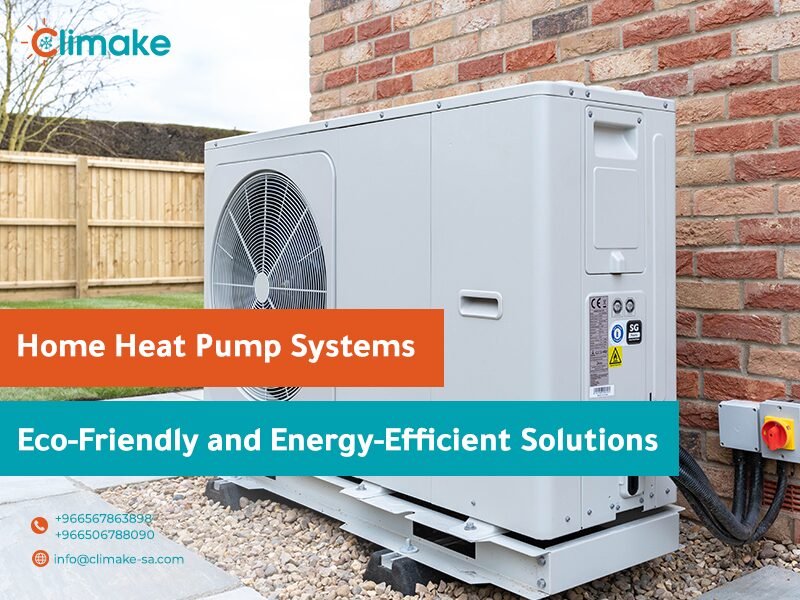
They transfer heat instead of generating it, consuming less electricity and offering excellent long-term savings.
How a Water Heater Works
Heating, Storage, and Distribution
Cold water enters the system, gets heated, then stored or distributed directly. Proper insulation and pressure control are key to performance.
Water Heater Costs and Energy Efficiency
Water heater operating costs vary based on system type and energy source. Electric water heaters are easier to install but may have higher monthly energy bills. Heat pump and solar water heaters offer lower long-term operating costs and are ideal for sustainability-focused projects.
Proper sizing is essential: oversized systems waste energy, while undersized units may not meet demand. Centralized systems are suitable for large buildings or villas, while tankless units are more efficient for smaller households. Energy-efficient systems can reduce electricity consumption by up to 60% compared to conventional electric heaters.
Choosing the Right Water Heater for Your Needs
Residential vs Commercial Requirements
Residential systems prioritize comfort and consistency. Commercial systems focus on capacity, reliability, and redundancy.
Capacity Sizing and Demand Planning
Oversizing wastes energy, while undersizing causes shortages. Accurate calculations ensure efficiency.
Get the right water heater for your home or business. Contact our experts today at 966508656011!
Energy Efficiency and Operating Costs
Comparing Energy Consumption
- Electric: Higher running cost
- Solar & Heat Pump: Lower long-term expenses
Installation Best Practices in Saudi Arabia
Professional installation ensures:
- Compliance with safety standards
- Correct sizing
- Optimal performance
Safety Standards and Compliance
Safety features such as pressure relief valves and thermostatic controls are essential for protecting users and equipment.
Maintenance, Lifespan, and Common Issues
Routine maintenance prevents:
- Scale buildup
- Pressure imbalance
- Control failures
Water Heater Performance in Saudi Climate
High ambient temperatures reduce heating demand but increase the need for insulation and smart system design.
Choosing the right water heater is a long-term investment in comfort, efficiency, and reliability. With the right system design, installation, and maintenance, you’ll enjoy consistent hot water while controlling energy costs.
Frequently Asked Questions (FAQs)
1. What type of water heater is best for Saudi homes?
Solar and heat pump systems are highly efficient for the local climate.
2. How long does installation take?
From one day to several days, depending on system complexity.
3. Is regular maintenance required?
Yes, to maintain efficiency and extend system lifespan.
4. Can one system serve multiple buildings?
Yes, centralized systems can serve compounds or facilities.
5. Does system design affect electricity bills?
Absolutely. Proper design significantly lowers operating costs.
6. Are heat pump heaters worth the investment?
Yes, they offer excellent efficiency and long-term savings.
Planning a new installation or upgrading your current system? Professional guidance ensures you select the most efficient and reliable water heating solution for your project in Saudi Arabia
.