


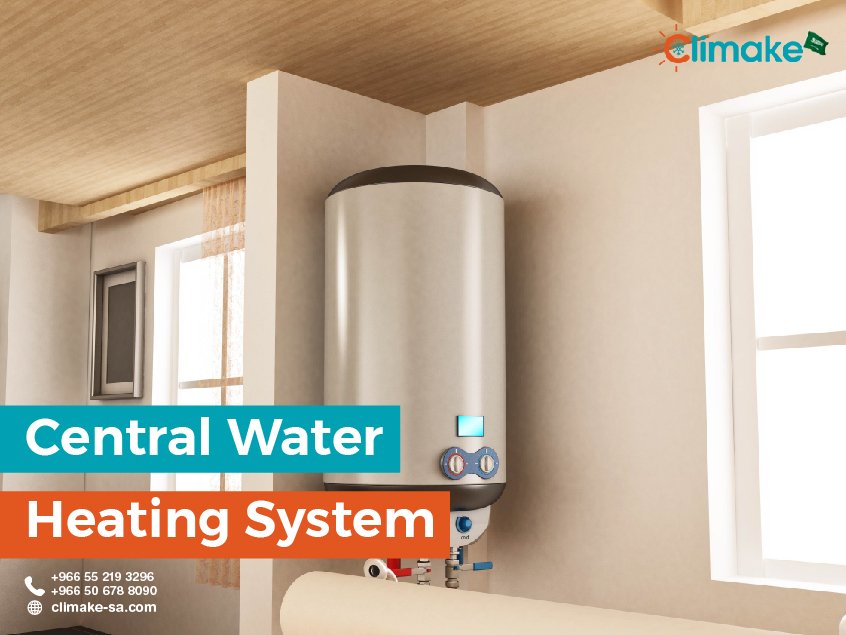
A centralized water heating system is becoming the top choice for homeowners and commercial buildings looking for efficiency, reliability, and long-term savings. As technology advances and energy costs rise, many property owners are switching from traditional water heaters to fully centralized solutions.
While installing a centralized water heating system is a strategic investment in comfort, ensuring its performance and longevity requires proactive management. This guide focuses on technical optimization, routine care, and troubleshooting to help you get the most out of your system.
If you are currently researching which system to install, please review our [comprehensive guide to selecting the best Centralized Water Heating System for your property].
What is a Central Water Heater?
A central water heater is a sophisticated heating solution designed to heat water in a dedicated central unit before distributing it throughout a building via an integrated plumbing network. This system is far more advanced than traditional point-of-use heaters, providing a stable supply of hot water even during peak usage hours.
By utilizing a centralized water heater system, homeowners and developers can achieve precise temperature control and significantly lower energy consumption. Whether you are considering a centralized water heater for home use or a large-scale commercial installation, understanding the mechanics of these systems is the first step toward achieving an efficient and comfortable living environment.
Why Invest in a Central Water Heater?
- Convenience: Provides hot water to multiple outlets at the same time.
- Efficiency: More energy-efficient than using multiple individual water heaters.
- Cost-Effective: Long-term savings on energy bills compared to traditional heaters.
- Space-Saving: Eliminates the need for multiple water heaters in different areas.
A properly chosen and maintained central water heater can last for years, reducing utility costs while providing continuous comfort for the household.
How a Central Water Heater Works
The functionality of a central water heating system is based on a seamless loop of water intake, heating, and distribution. The system typically consists of a primary heating source (electric, gas, solar, or heat pump), a storage mechanism (in tank-based systems), and a sophisticated network of pipes and pumps.
Step-by-Step Functioning
- Water Intake: Cold water enters the system through a main inlet pipe.
- Heating Process: The heating element warms the water to your desired temperature.
- Storage (If Applicable): In storage-based models, heated water is kept ready for immediate use in an insulated tank.
- Distribution: When a tap is opened, the centralized hot water system releases the heated water through the pipe network.
- Reheating Cycle: As water is used, the system automatically replenishes and reheats the supply.
Key components of a water heater for home
Every best water heater for home includes essential components:
- Heating element or heat exchanger
- Storage tank (for tank systems)
- Thermostat for temperature control
- Pipes and valves for distribution
- Insulation to reduce heat loss
High-quality components directly affect system efficiency and lifespan.
Different types of hot water heaters (Comparison Overview)
- Heat Pump Systems → Best efficiency
- Electric Systems → Best for affordability
Electric underfloor heating as a heating solution
While not a direct water heater, electric underfloor heating is an integrated heating solution often combined with water systems.
- Uses electric cables under the floor to generate heat
- Provides even heat distribution across the space
- Converts electricity efficiently into heat
It’s ideal for:
- Bathrooms
- Villas
- Luxury residential projects
Underfloor systems distribute heat evenly, improving comfort and efficiency compared to traditional radiators.
Proactive Maintenance: Your Annual Checklist
To maintain the 12–20-year lifespan of your system, regular servicing is mandatory. Follow this professional maintenance schedule:
-
Quarterly Inspections: Review electrical connections, pressure valves, and thermostat settings to ensure optimal operation.
-
Bi-Annual Descaling: In regions with hard water, descaling the tank every 6–12 months is critical to prevent sediment buildup and maintain heating efficiency.
-
Anode Rod Replacement: Inspect the anode rod every 3–5 years; replacing it proactively prevents internal tank corrosion.
-
Safety Audit: Annual professional inspections are necessary to check exhaust vents (for gas units) and pressure relief valves to prevent safety hazards like carbon monoxide buildup.
How It Differs from Traditional Water Heaters
- One system instead of multiple scattered heaters
- Higher efficiency and lower long-term costs
- Better control through smart thermostats
- Greater safety and fewer maintenance points
Benefits of Centralized Water Heating Systems
1. Energy Efficiency
Centralized systems operate with less heat loss and more uniform temperature distribution.
2. Cost Savings
While installation may cost more upfront, centralized systems reduce monthly bills significantly.
3. Safety and Durability
More durable components and better engineering reduce the risk of overheating, electrical faults, and leakages.
4. Consistent Hot Water Supply
Large storage capacity ensures hot water for multiple taps simultaneously.
Looking to find the right centralized water heating system for your home?
Climake’s experts can help you compare options and choose the most efficient solution for your budget and energy needs.
Contact Climake today 966508656011 for professional guidance and tailored recommendations.
Installation Requirements and Best Practices
Home Size & Layout
Larger homes require bigger tanks and powerful pumps.
Ventilation Needs
Gas systems need proper ventilation to prevent CO2 buildup.
Professional Installation Recommended
DIY installation is not advisable due to safety and technical complexity.
Maintenance Guide
Routine Inspections
Check electrical connections, pressure valves, and thermostats.
Cleaning
Descale the tank every 6–12 months, especially in areas with hard water.
Repairs
Address leaks, faulty thermostats, or pump issues immediately to prevent system failure.
Common Problems & Their Solutions
Low Pressure
Usually caused by sediment buildup or faulty valves.
Irregular Temperature
May indicate thermostat issues or heating element failure.
Leaks
Often due to corrosion or loose pipe connections.
Advanced Troubleshooting: Managing Common Issues
Even with high-quality systems, minor issues may arise. Use this technical reference to identify and address problems early:
| Problem | Potential Cause | Recommended Action |
| Low Pressure | Sediment buildup or faulty valves | Flush the plumbing network and inspect pressure valves. |
| Irregular Temperature | Thermostat failure or heating element wear | Check thermostat settings; professional recalibration may be required. |
| Water Leaks | Corrosion or loose pipe connections | Immediately inspect fittings; replace compromised units if severe corrosion is present. |
| Strange Noises | Excessive sediment accumulation | System flush needed to clear debris from the heating tank. |
Cost Breakdown
Installation Cost
Ranges depending on system type and size.
Monthly Operating Cost
Solar systems nearly eliminate heating bills, while gas systems remain cost-effective.
Maintenance Cost
Annual maintenance costs.
How to use a boiler for hot water safely and efficiently
Understanding how to use a boiler for hot water properly ensures optimal performance and safety. A home water boiler system should always operate within recommended pressure and temperature levels.
To use a water boiler heating system effectively:
-
Set the thermostat according to seasonal needs.
-
Monitor boiler pressure (usually between 1 and 2 bars for residential systems).
-
Schedule annual inspections.
-
Ensure radiators are properly bled to avoid air buildup.
-
Check expansion tank and circulation pump performance.
A properly maintained hot water system boiler delivers reliable heating and hot water while reducing energy waste. Whether your house is heated by hot water radiators or underfloor pipes, routine monitoring improves efficiency and extends equipment lifespan.
Choosing the Best System for Your Home
Climate
Solar works best in sunny regions; gas is reliable anywhere.
Energy Source
Your availability (gas, electricity, sunlight) determines the best choice.
Budget
Hybrid systems offer high efficiency but have a higher upfront cost.
Environmental Impact
Reduced Carbon Emissions
Solar and hybrid units reduce CO₂ production significantly.
Renewable Compatibility
Solar systems integrate well with green energy infrastructure.
Less Energy Waste
Better insulation and technology reduce total energy use.
Operational Best Practices
-
Optimizing Energy Efficiency: Modern smart controls allow for mobile app integration. Regularly monitor your thermostat to balance usage peaks with energy consumption.
-
System Integrity: Do not attempt DIY repairs on internal components; the technical complexity and safety risks associated with gas and electrical integration necessitate professional intervention.
A centralized water heating system is one of the smartest investments homeowners can make in 2026. The system delivers superior efficiency, long-term savings, reliable performance, and eco-friendly benefits. Whether you\’re building a new property or upgrading an existing one, centralized water heating offers unmatched comfort and value.
FAQs about the centralized water heating system
How long does a centralized water heating system last?
Most systems last 12–20 years with proper maintenance.
Is a centralized system suitable for small apartments?
Yes, compact versions are designed for smaller properties.
What is the best type for families?
Electric and hybrid systems are popular for family homes due to safety and efficiency.
how often should I service the system?
A full inspection once a year is recommended.
Can I install a centralized system in an old home?
Yes, but it may require extra piping and structural adjustments.
Why is my water pressure dropping?
It is usually a sign of sediment buildup in the pipes or a failing valve that needs cleaning or replacement.
How do I know if my system needs a professional service?
Any strange noises, irregular temperature fluctuations, or a noticeable increase in monthly operating costs indicate it is time for a professional inspection.
Whether you need urgent maintenance for your current system or are ready to install a new high-efficiency unit, Climake is here to help. Explore our installation options in our [Central Water Heater for Homes guide] or contact our team directly for a professional audit.
Contact Climake:
-
Phone: 966567863898
-
WhatsApp: +966 50 865 6011
Transform your home’s comfort with a modern centralized water heating system.
Reach out to Climake today, our team is ready to support you with premium installation, expert guidance, and exceptional service from start to finish.